
Can Snakes Bite Through Gaiters? (2026 Guide)
It's the most important question anyone buying snake gaiters asks. This guide gives you an honest, science-backed answer — covering how snake fangs work, what gaiter materials can actually stop, and when gaiters provide reliable protection versus when you need something more.
Quick Answer
High-quality snake gaiters are designed to resist snake bites using tough materials like Kevlar or ballistic nylon. While they significantly reduce the risk, no gaiter is completely 100% bite-proof in all situations.
Highly Effective
Against most venomous species
Not Absolute
No gaiter is 100% bite-proof
Material Matters
Quality determines protection
Explore Snake Protection Options
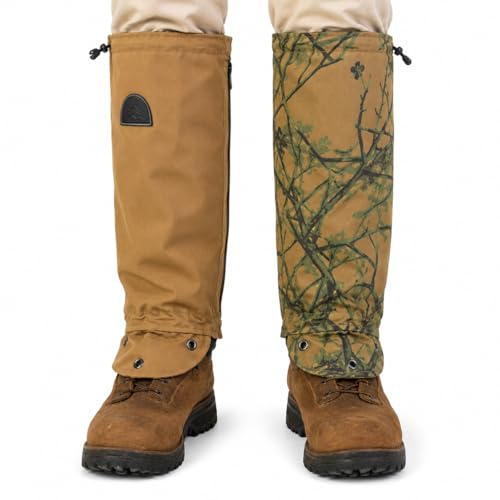
TurtleSkin SnakeArmor Gaiters
Ballistic fiber the maker states is tested against rattlesnake fangs. If you want gaiters a snake genuinely cannot bite through, this is the standard.
We earn a commission when you buy through our links — at no extra cost to you.
How Snake Fangs Work
Understanding fang mechanics helps explain exactly what gaiters need to stop — and why material quality is everything.
Fang Length
Venomous snake fangs range from 4mm (small copperheads) to over 25mm (large eastern diamondback rattlesnakes). Longer fangs generate more penetration force and can push through thinner materials. This is why gaiter thickness and material density are critical specs.
Bite Pressure
A striking rattlesnake can generate up to 150 PSI of bite pressure. This concentrated force is applied through two needle-sharp points — meaning the material must resist puncture at a very small surface area, not just general compression.
Strike Behavior
Snakes strike in a rapid forward lunge — not a slow push. The strike velocity means the fang hits with significant kinetic energy. Quality gaiters use layered materials that absorb and deflect this energy before the fang can penetrate to skin depth.
Venom Delivery
Venom is injected through hollow fangs under muscular pressure. Even if a fang partially penetrates a gaiter, the material can prevent full venom delivery by blocking the fang tip from reaching skin — a critical secondary protection mechanism.

Fang Penetration Force
Up to 150 PSI concentrated at fang tip
Fang Length Range
- Copperhead: 4–8mm
- Cottonmouth: 8–12mm
- Timber rattlesnake: 10–16mm
- Eastern diamondback: 18–25mm
- Western diamondback: 12–18mm
Strike Mechanics
- Strike speed: 2–3 meters/sec
- Bite pressure: up to 150 PSI
- Concentrated at 2 fang points
- Kinetic energy on impact
- Venom injected under pressure
What Gaiters Must Stop
- Initial fang puncture
- Fang depth penetration
- Venom delivery to skin
- Secondary fang contact
- Repeated strike attempts
Materials Used in Snake Gaiters
The material determines everything. Here's what the best snake gaiters are made from — and why it matters for bite resistance.
Kevlar
Kevlar is a para-aramid synthetic fiber originally developed for bulletproof vests. It is 5x stronger than steel by weight and provides exceptional resistance to puncture and cutting forces. Gaiters using Kevlar weave can stop even large rattlesnake fangs.
- Tensile strength: 3,620 MPa
- Puncture resistance: Excellent
- Weight: Lightweight
- Heat resistance: High
- Used in: TurtleSkin SnakeArmor
Ballistic Nylon
Ballistic nylon (typically 900D–1680D) was originally developed for military flak jackets. It provides excellent abrasion resistance and good puncture resistance. Most mid-range snake gaiters use multi-layer ballistic nylon construction for reliable protection.
- Denier: 900D–1680D
- Puncture resistance: Good
- Weight: Moderate
- Waterproof: Often treated
- Used in: GearOZ, Frelaxy
Reinforced Fabrics
Some budget gaiters use reinforced polyester or nylon blends with polycarbonate inserts. While these can provide meaningful protection against smaller snakes, they may not reliably stop large rattlesnake strikes. Always check for independent testing data.
- Material: Polyester/nylon blend
- Puncture resistance: Moderate
- Weight: Light
- Cost: Budget-friendly
- Best for: Low-risk areas
Material Layering Is Key
The best snake gaiters don't rely on a single material — they use multiple layers working together. A typical premium gaiter has an outer abrasion-resistant shell, a rigid puncture-resistant middle layer (Kevlar or polycarbonate), and a soft inner lining. This layered approach is what makes the difference between a gaiter that stops a bite and one that doesn't.
Can Snakes Penetrate Gaiters?
The honest answer depends on three critical factors — here's what the evidence shows.
The Honest Answer
Through a purpose-built gaiter — snake penetration is extremely unlikely. Through a cheap brush guard — it is possible, especially from large rattlesnakes. The difference comes down to material quality, thickness, and construction. This is why choosing the right gaiter matters enormously. See our best snake gaiters guide for options.
Material Quality
Kevlar-lined gaiters
Extremely difficult to penetrate
Multi-layer ballistic nylon
Very resistant to most strikes
Single-layer thin nylon
May be penetrated by large fangs
Budget brush guards
Unreliable — avoid for real use
Thickness & Layers
3+ layer construction
Stops virtually all strikes
Polycarbonate inserts
Rigid barrier against fangs
2-layer construction
Good for most scenarios
Single thin layer
Insufficient for venomous snakes
Snake Species
Small copperheads
Stopped by most quality gaiters
Cottonmouths
Stopped by gaiters
Timber rattlesnakes
Stopped by premium gaiters
Large eastern diamondback
Requires top-tier Kevlar gaiters

The Bottom Line on Penetration
Ballistic-fibre gaiters stop the vast majority of real-world snake strikes, including large rattlesnakes.
Multi-layer ballistic nylon gaiters provide reliable protection for most hikers and outdoor users.
No gaiter is 100% guaranteed — extreme scenarios (very large snakes, direct seam strikes) carry residual risk.
Cheap brush guards should not be trusted for real snake bite protection.
Real-World Protection Level
What does gaiter protection actually look like in practice? Here's an honest breakdown by scenario.
Trail Hiking
On established trails, quality gaiters provide excellent protection. Most trail encounters involve smaller venomous snakes at lower strike angles — exactly the scenario gaiters are designed for.
Limitation: Off-trail brush increases risk slightly
Best gaiters for hiking →Hunting in Brush
Hunting in dense vegetation increases encounter frequency and strike angles. Premium gaiters still provide strong protection, but thigh exposure becomes a consideration in very dense brush.
Limitation: Consider snake chaps for thigh coverage
Best snake boots for hunting →Outdoor Work
Landscaping, ranching, and field work benefit significantly from gaiters. The lower leg is the primary exposure zone in most work scenarios, making gaiters an ideal protection solution.
Limitation: Ensure proper fit for all-day comfort
Top-rated snake gaiters →Swamp / Wetlands
Wetland environments have high snake density and frequent encounters. Waterproof gaiters are essential here. Protection remains strong, but the frequency of potential encounters is higher.
Limitation: Use waterproof-rated gaiters only
Best waterproof snake gaiters →High-Risk Areas
In areas with very high rattlesnake density or large eastern diamondbacks, premium Kevlar gaiters are strongly recommended. Budget gaiters are not appropriate for these environments.
Limitation: Only use ballistic-fibre gaiters here
Consider snake boots instead →Casual Outdoor Use
For casual outdoor activities in snake-active areas — picnics, yard work, light walks — even mid-range gaiters provide excellent protection against the most likely encounter scenarios.
Limitation: Still maintain situational awareness
Budget-friendly gaiter options →Key Takeaway: Effective in Most Cases
Quality snake gaiters provide meaningful, real-world protection in the vast majority of outdoor scenarios. The key is choosing gaiters appropriate for your specific environment and risk level. For high-risk environments, consider upgrading to top-rated snake boots for seamless integrated protection.
Gaiters vs Snake Boots: Bite Protection
Both protect against snake bites — but in different ways. Here's how they compare on the protection question specifically.
Snake Gaiters
Worn over existing boots
Snake Boots
All-in-one integrated protection
When Gaiters Are Enough — And When You Need More
Use this framework to match your protection level to your actual risk environment.
When Gaiters Are Enough
For most outdoor users, snake gaiters provide sufficient bite protection. Gaiters are the right choice when:
Hiking on established trails
Trail encounters typically involve smaller snakes at lower strike angles — exactly what gaiters are designed for.
Moderate-risk environments
Areas with venomous snakes but not extreme density — gaiters provide meaningful, reliable protection.
Light outdoor work
Landscaping, gardening, and casual field work where you're not pushing through dense brush.
Backpacking and camping
Lightweight gaiters add minimal pack weight while providing real protection in snake-active areas.
Budget-conscious protection
Quality gaiters at this price provide excellent protection for most real-world scenarios.
When You Need More Protection
In some high-risk scenarios, dedicated snake boots or additional protection is the smarter choice:
Dense vegetation hunting
Pushing through thick brush where thigh exposure is a real risk — consider snake chaps or full snake boots.
Swamp and wetland areas
Extremely high snake density environments where encounter frequency is very high — use premium Kevlar gaiters minimum.
Eastern diamondback territory
Large rattlesnakes with long fangs require top-tier Kevlar gaiters — budget options are not appropriate here.
Professional daily exposure
If you're in snake-active areas every day for work, invest in the highest-rated protection available.
High-risk areas with children
When protecting children in snake-active areas, maximum protection is always the right call.
Snake Gaiters: Pros & Cons for Bite Protection
A balanced, honest look at what gaiters do well — and where their limitations lie.
Pros
- Ballistic-fibre gaiters stop the vast majority of real-world snake strikes
- Covers the primary bite zone — ankle to below knee
- Works with any existing hiking or work boot
- Lighter and more breathable than dedicated snake boots
- Affordable — quality options at every level
- Easy to put on and remove as conditions change
- Packable and travel-friendly for outdoor trips
- Provides meaningful protection even in moderate-risk areas
Cons
- Not 100% bite-proof — no gaiter is absolutely guaranteed
- Thin brush guards may not stop large rattlesnake strikes
- Gap at boot-gaiter junction if poorly fitted
- No thigh protection for high-risk hunting scenarios
- Requires a separate boot underneath
- Can be warm in hot weather depending on model
- Must be properly fitted and maintained to remain effective
The Verdict: Worth It for Most Users
The pros significantly outweigh the cons for the majority of outdoor users. A $50–$100 certified gaiter provides real, meaningful protection against a medical event that can cost $30,000–$150,000+ in treatment. The limitations are real but manageable with proper selection and fit.
Frequently Asked Questions
Honest answers to the most common questions about snake gaiter bite protection.
Through, quality snake gaiters — it is extremely difficult. Premium gaiters made with Kevlar or multi-layer ballistic nylon are specifically engineered to resist fang penetration. The multi-layer construction absorbs and deflects the kinetic energy of a snake strike before the fang can reach skin depth. However, cheap brush guards with thin single-layer materials may not reliably stop a full-force strike from a large rattlesnake. Always choose gaiters with documented protection testing.
Can Snakes Bite Through Gaiters? The Verdict
The honest, evidence-based bottom line on gaiter bite protection.
Strong Protection
Gaiters Work
Ballistic-fibre and multi-layer ballistic nylon gaiters provide strong, real-world bite protection. They stop the vast majority of snake strikes in the most common outdoor scenarios — making them a genuinely effective safety tool.
View Best Snake GaitersImportant Caveat
Not 100% Foolproof
No gaiter is absolutely bite-proof in every scenario. Extreme situations — very large snakes, poor fit, budget materials — carry residual risk. Always combine gaiters with situational awareness and proper outdoor safety practices.
Snake Safety TipsBest Application
Ideal for Moderate Use
For hiking, backpacking, and moderate-risk outdoor activities, snake gaiters are the ideal protection choice — providing the right balance of bite resistance, weight, breathability, and cost.
Gaiters vs Boots GuideReady to Get Protected?
Browse our top-rated snake gaiters and boots — tested and reviewed for real-world bite protection.