
Do Snake Gaiters Work? (2026 Guide)
Snake gaiters are one of the most popular forms of snake bite protection — but do they actually work? This guide gives you an honest, evidence-based answer covering how gaiters work, their real limitations, and when they're the right choice for your outdoor activity.
Quick Answer
Yes, snake gaiters can significantly reduce the risk of snake bites by protecting the lower leg with bite-resistant materials. However, they are not 100% snake-proof and should be used along with proper caution.
Effective
Against most venomous species
Limitations
Not 100% guaranteed
Best Use
Hiking & moderate risk
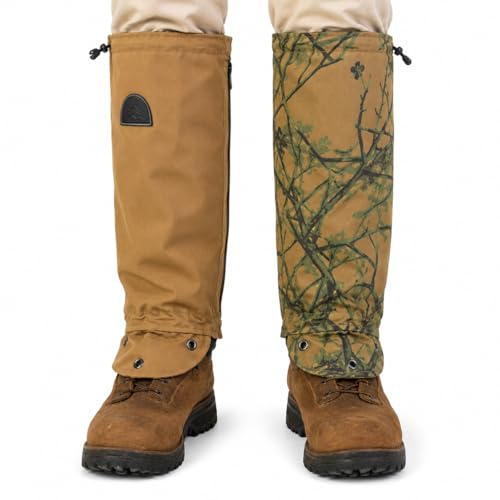
TurtleSkin SnakeArmor Gaiters
The manufacturer states its material is tested against real rattlesnake fangs. No independent stop-rate percentage is published for any gaiter on this site.
We earn a commission when you buy through our links — at no extra cost to you.
How Do Snake Gaiters Work?
Snake gaiters work through a combination of material science and layered construction — here's the breakdown.
Bite-Resistant Outer Layer
The outer shell is made from tough materials like 900D Oxford nylon, Cordura fabric, or polycarbonate panels. These materials are designed to resist puncture — when a snake strikes, the outer layer absorbs and deflects the initial impact.
Rigid Reinforcement
Premium gaiters include polycarbonate or ballistic fiber panels that cannot be compressed under strike force. This is the critical layer — it prevents fangs from pushing through even when the snake strikes with full force.
Inner Lining
A soft inner lining protects the leg from abrasion and adds a final barrier. In top-tier gaiters like TurtleSkin SnakeArmor, the inner layer is high-strength ballistic fiber — stronger than steel by weight.
Coverage Zone
Gaiters cover the ankle to just below the knee — the zone that takes roughly half of US venomous bites. They wrap around the leg and secure with buckles or velcro, creating a continuous protective barrier.

Multi-Layer Protection
3–5 protective layers working together
Key Materials
- high-strength ballistic fiber
- 900D Oxford nylon
- Cordura fabric
- Polycarbonate panels
- Kevlar weave
What They Stop
- Rattlesnake strikes
- Copperhead bites
- Cottonmouth strikes
- Coral snake bites
- Most venomous species
Coverage Area
- Ankle to below knee
- 14"–18" shaft height
- Full circumference wrap
- Buckle/velcro closure
- Fits over any boot
Do Snake Gaiters Stop All Bites?
The honest answer — and what you need to know about real-world limitations.
No — Not 100%, But Highly Effective
No snake gaiter — or any protective gear — can guarantee 100% protection against every possible snake bite scenario. However, quality gaiters dramatically reduce bite risk in the most common scenarios. Browse our best snake gaiters guide for, tested options. Understanding the limitations helps you use them correctly and stay safe.
What Gaiters Handle Well
Standard lower-leg strikes
Roughly half of US venomous bites land on the foot, ankle or lower leg. A well-made gaiter covers that zone reliably.
Most venomous US species
Rattlesnakes, copperheads, and cottonmouths — the most common threats — are well-handled by gaiters.
Glancing and partial strikes
Even lower-quality gaiters can deflect glancing blows that might otherwise result in a bite.
Repeated exposure
Unlike boots, gaiters can be inspected and replaced if damaged, maintaining consistent protection over time.
Known Limitations
No thigh protection
Gaiters only cover the lower leg. Thigh bites are not protected. Consider chaps for high-risk brush work.
Gaiters vs Chaps comparison →Budget gaiters may fail
Cheap brush guards with thin materials may not stop a full-force strike from a large rattlesnake. Always choose options.
See options →Extreme strike angles
A direct, perpendicular strike from a very large snake at a seam or buckle point is a theoretical weak spot in any gaiter design.
Consider snake boots for max protection →Wear and damage
Damaged, worn, or improperly fitted gaiters provide reduced protection. Regular inspection is essential for reliable performance.
Effectiveness in Real Scenarios
How well do snake gaiters actually perform across the most common outdoor activities?
Hiking
Snake gaiters are the ideal protection for hikers. They cover the primary bite zone, work with existing hiking boots, and add minimal weight. For trail hiking in snake-active areas, quality gaiters provide excellent protection.
Best For
Key Limitation
Gaiters do not protect the thigh — stay on established trails where off-trail brush contact is minimal.
Hunting
Gaiters work well for most hunting scenarios. For upland bird hunting and deer hunting on established paths, they provide solid protection. For dense brush hunting where thigh exposure is a concern, consider snake chaps instead.
Best For
Key Limitation
For hog hunting, swamp hunting, or pushing through very dense brush, snake chaps offer better full-leg coverage.
Outdoor Work
For outdoor workers in moderate-risk environments — landscapers, surveyors, utility workers — gaiters provide meaningful protection. For ranchers and brush clearers in high-density snake areas, heavier protection may be warranted.
Best For
Key Limitation
Heavy brush clearing and dense vegetation work may expose the thigh — evaluate whether chaps are more appropriate.
Gaiters vs Snake Boots
Both work — but they serve different needs. Here's how to decide which is right for you.
Snake Gaiters
Worn over existing boots
Snake Boots
All-in-one integrated protection
When Are Gaiters Enough — And When Do You Need Boots?
Use this framework to decide which protection level is right for your situation.
When Gaiters Are Enough
For the majority of outdoor users, quality snake gaiters provide sufficient protection. Here's when gaiters are the right call:
Trail hiking
Established trails with moderate snake activity — gaiters cover the primary bite zone perfectly.
Moderate-risk outdoor use
Areas with venomous snakes but not extreme density — gaiters provide meaningful risk reduction.
Light outdoor work
Landscaping, gardening, and field work where you're not pushing through dense brush.
Travel and occasional use
Visiting snake-active areas occasionally — gaiters are affordable, packable, and effective.
Budget-conscious buyers
Quality gaiters at this price provide excellent protection for most scenarios.
When You Need Boots Instead
In some scenarios, dedicated snake boots or chaps provide better protection than gaiters alone. Consider upgrading when:
High-risk hunting
Pushing through dense brush, swamp hunting, or hog hunting where thigh exposure is a real risk.
Heavy brush work
Ranching, brush clearing, or land management in areas with high snake density.
Swamp and wetland areas
Environments where snakes are extremely active and encounters are frequent.
Professional outdoor work
Daily exposure in high-risk environments where maximum protection is a professional requirement.
Extreme snake density areas
Regions with very high rattlesnake or cottonmouth populations where risk is elevated.
Snake Gaiters: Pros & Cons
Pros
- Dramatically reduces bite risk in the primary bite zone (below knee)
- Works with any existing hiking or work boot
- Lightweight — adds minimal weight vs snake boots
- Affordable — quality options at every level
- Easy to put on and take off as conditions change
- Packable — folds flat for travel and backpacking
- Wide range of options for all budgets and activities
- TurtleSkin's manufacturer states its material is tested against real rattlesnake fangs
Cons
- Does not protect the thigh — upper leg exposed
- Budget options may use thinner material
- Requires a separate boot underneath
- Can be warm in hot weather (varies by model)
- Not a substitute for situational awareness
- Must be properly fitted to be effective
Are Snake Gaiters Worth It?
Yes — For Most Outdoor Users
For hikers, backpackers, and casual outdoor users in snake-active areas, quality snake gaiters are absolutely worth the investment. A $50–$100 gaiter provides meaningful protection against a medical event that can cost $10,000–$150,000+ in treatment.
Cost vs Risk
Quality gaiters are inexpensive compared to the cost of treating a venomous bite.
Peace of Mind
Knowing you have protection lets you focus on your hike or hunt — not every step you take.
Weight Trade-off
Quality lightweight gaiters add 1–2 lbs. For most hikers, this is a worthwhile trade for the protection provided.
Frequently Asked Questions
Honest answers to the most common questions about snake gaiter effectiveness.
Yes — quality snake gaiters genuinely work. They are made from bite-resistant materials like ballistic fiber, 900D Oxford nylon, and polycarbonate panels that are specifically designed to stop snake fangs from penetrating the lower leg. TurtleSkin's manufacturer states its material is tested against real rattlesnake fangs — no independent stop-rate percentage is published for any gaiter on this site. They are not 100% guaranteed in every scenario, but a well-made gaiter meaningfully reduces bite risk in the most common situations.
Do Snake Gaiters Work? The Verdict
The honest, evidence-based bottom line.
Yes, They Work
With Limitations
Quality snake gaiters genuinely work. They dramatically reduce bite risk in the most common scenarios — lower-leg strikes from venomous snakes. They are not 100% guaranteed, but they are far better than no protection.
View Best Snake GaitersBest For
Moderate Risk Use
Snake gaiters are the ideal protection for hikers, backpackers, and outdoor users in moderate-risk areas. They provide the right balance of protection, weight, breathability, and cost for most outdoor scenarios.
Best Gaiters for HikingKey Reminder
Combine with Awareness
Gaiters are a tool, not a guarantee. Always combine them with situational awareness — watch where you step, avoid reaching into hidden areas, and stay alert in snake-active environments.
Snake Safety TipsReady to Get Protected?
Browse our top-rated snake gaiters and boots for every activity and budget.